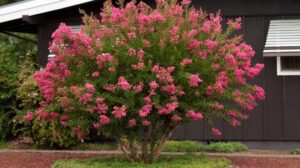
Trees play an important role in creating a healthy, attractive, and comfortable environment. They provide shade, improve air quality, support wildlife, and add natural beauty to residential and commercial properties. However, keeping trees healthy requires regular attention and proper maintenance. Tree care involves several important practices, including watering, pruning, soil management, pest control, and seasonal inspections. With the right approach, property owners can help their trees grow stronger, live longer, and remain beautiful throughout the year.
One of the most important aspects of tree care is providing adequate water. Young trees especially need consistent watering while their root systems are developing. Deep watering encourages roots to grow further into the soil, helping trees become more stable and better prepared for dry weather. At the same time, excessive watering should be avoided because waterlogged soil can damage roots and create conditions for fungal diseases. Understanding the specific watering needs of each tree species can make a significant difference in its overall health.
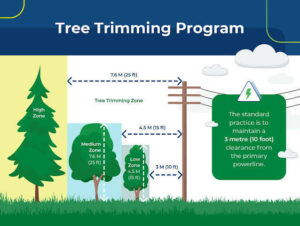
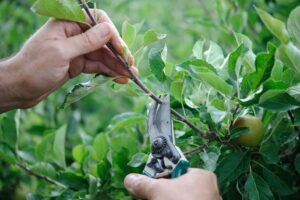
Pruning is another essential part of maintaining healthy trees. Removing dead, damaged, or diseased branches improves the tree’s appearance and reduces potential safety risks. Proper pruning also allows better airflow and sunlight to reach different parts of the canopy. However, cutting too many branches or making improper cuts can weaken a tree. For this reason, pruning should be performed carefully, using appropriate tools and techniques. Large branches and complicated trimming projects are best handled by experienced tree care professionals.
Healthy soil is equally important for strong tree growth. Trees depend on soil for essential nutrients, moisture, and oxygen. Adding organic mulch around the base of a tree can help retain moisture, regulate soil temperature, and reduce weed growth. Mulch should be spread evenly without piling it against the trunk. Regularly checking soil conditions and providing suitable nutrients when necessary can also support healthy root development.
Pest and disease management should never be overlooked. Insects, fungal infections, and environmental stress can affect tree growth and cause serious damage if left untreated. Property owners should regularly inspect leaves, branches, trunks, and surrounding soil for unusual changes. Discolored leaves, unusual spots, peeling bark, and dying branches may indicate underlying problems. Identifying these warning signs early makes it easier to address potential issues before they become more serious.
Seasonal maintenance also plays an important role in long-term tree health. Different seasons bring different challenges, from summer heat and dry conditions to winter storms and strong winds. Preparing trees for seasonal changes through proper watering, pruning, and inspections can reduce stress and improve their ability to withstand difficult weather conditions.
In conclusion, proper tree care is an investment in the beauty, safety, and long-term value of any property. Consistent watering, responsible pruning, healthy soil management, and early pest detection all contribute to stronger and healthier trees. By making tree maintenance a regular priority, property owners can enjoy attractive outdoor spaces while protecting the natural environment for years to come.